Businesses across Port Stephens are increasingly choosing linen hire in Port Stephens to improve efficiency and maintain high standards. Whether you operate a hotel, restaurant,
Maintaining strict hygiene standards in healthcare environments is essential to ensure patient safety and prevent the spread of infections. In Australia, healthcare facilities must follow specific healthcare linen hygiene standards to manage, clean, and store linens safely.
From hospitals and aged care facilities to clinics and medical centres, proper linen handling plays a critical role in infection control and regulatory compliance.
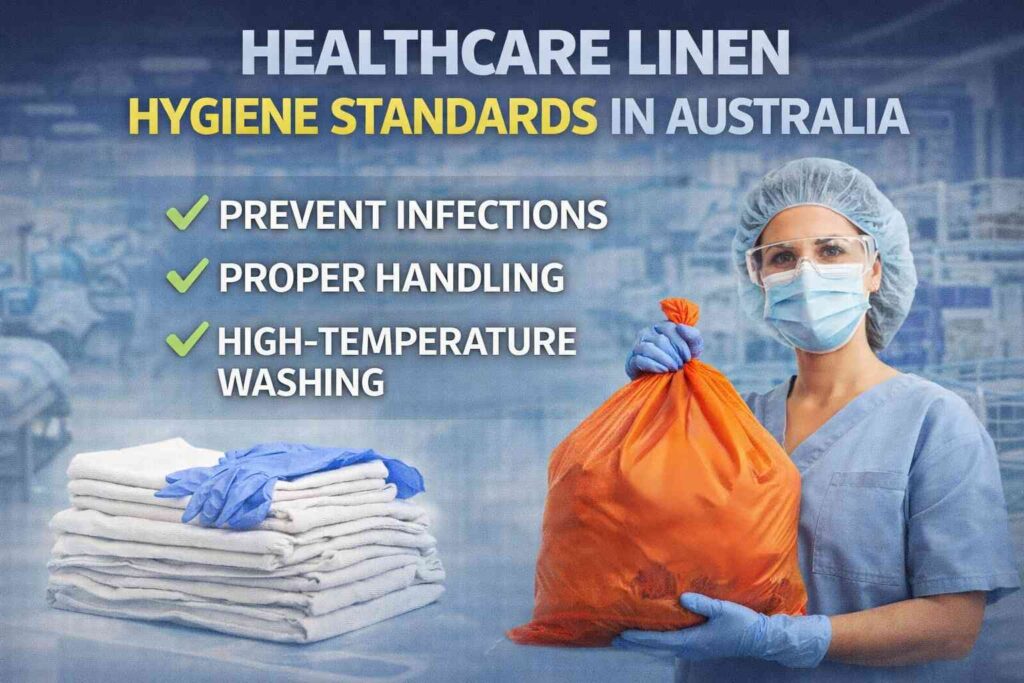
Healthcare linen hygiene standards in Australia refer to guidelines and protocols that ensure safe handling, transportation, cleaning, and storage of medical linens. These standards are designed to minimise contamination risks and maintain a hygienic environment.
They apply to:
Healthcare linens are frequently exposed to contaminants such as bodily fluids, bacteria, and viruses. Without proper handling, they can contribute to healthcare-associated infections (HAIs).
Key reasons why linen hygiene is important:
Healthcare facilities must separate linens based on contamination levels:
Proper segregation prevents the spread of contaminants and ensures appropriate cleaning methods are used.
Staff must follow strict handling protocols to minimise exposure to contaminants.
Best practices include:
Contaminated linen should be transported in sealed, labelled bags to prevent leakage or exposure. Clean and dirty linen must always be stored separately.
Storage areas should be:
Healthcare linens must be washed using high-temperature water and approved disinfectants.
| Requirement | Standard |
|---|---|
| Washing Temperature | Typically 65°C–90°C |
| Detergents | Hospital-grade disinfectants |
| Cycle Time | Sufficient for full sanitation |
| Drying | High heat for pathogen removal |
These processes ensure effective removal of bacteria and viruses.
Healthcare facilities must implement strict infection control practices as part of linen management.
This includes:
Healthcare laundry processes in Australia must comply with guidelines such as:
Compliance ensures safe and consistent linen management across healthcare facilities.
| Do’s | Don’ts |
|---|---|
| Use PPE when handling linen | Do not shake contaminated linen |
| Separate clean and dirty linen | Avoid mixing linen types |
| Use sealed transport bags | Do not overload linen bags |
| Follow washing protocols | Do not skip disinfection |
| Store linen in clean areas | Avoid contaminated storage |
Many healthcare providers in Australia partner with professional laundry services to ensure compliance with hygiene standards.
Benefits include:
Professional services help healthcare facilities maintain safety and efficiency.
Healthcare facilities may face challenges such as:
Outsourcing laundry services can help overcome these challenges.
Healthcare linen hygiene standards in Australia are essential for maintaining safe and hygienic medical environments. From proper segregation and handling to high-temperature washing and compliance with regulations, every step is critical in preventing infections.
By following these standards and working with professional laundry providers, healthcare facilities can ensure patient safety, protect staff, and maintain high-quality hygiene practices.
They are guidelines for handling, cleaning, and storing medical linens to prevent contamination and infection.
Typically between 65°C and 90°C to ensure proper disinfection.
It prevents the spread of infections and protects both patients and healthcare workers.
It is an Australian standard that outlines best practices for laundry processes in healthcare facilities.
Yes, many facilities use professional laundry providers to ensure compliance and maintain hygiene standards.
Businesses across Port Stephens are increasingly choosing linen hire in Port Stephens to improve efficiency and maintain high standards. Whether you operate a hotel, restaurant,
Sustainability is becoming a priority in the hospitality industry. Hotels, resorts, and accommodation providers are now adopting sustainable linen solutions for hospitality businesses to reduce